Studio memo - Year 6, Season 1
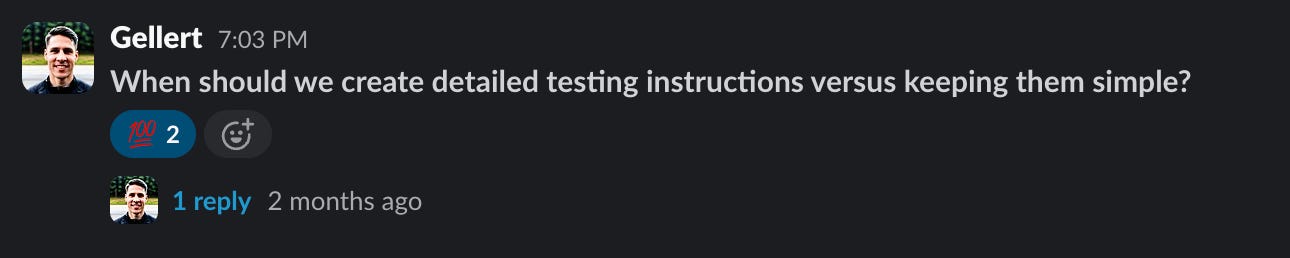
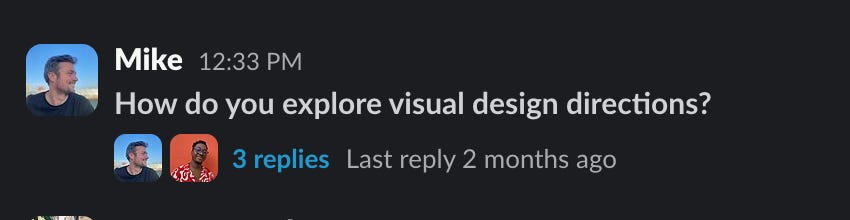
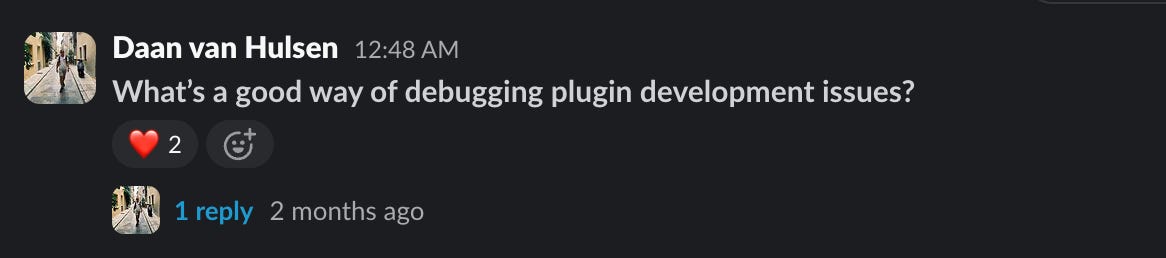
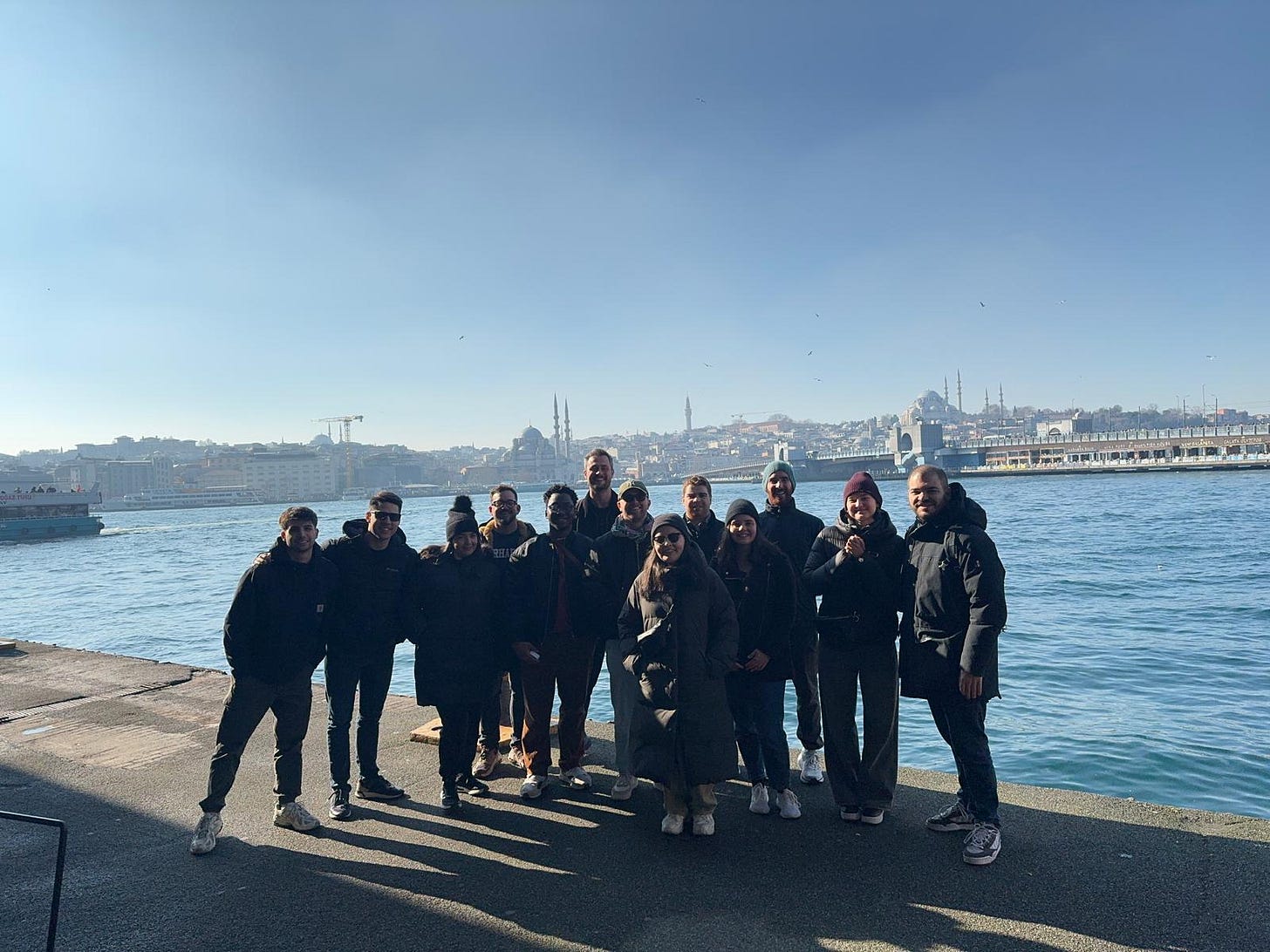
Writing this from back home after wrapping up an eventful season with the team in 🇹🇷 Istanbul. It was a pretty different type of trip this time - since last summer, the team has grown from 7 to 13 people. Seeing everyone together was really crazy considering we were about half the size last time we met up. Last season’s theme was Training Season. Most of our new team members are trainees - I’ve always thought an agency should be a place for people to learn from exposure to different projects and senior people. After building a solid group of seniors first, we finally had the opportunity to figure out how that model works in practice. At the same time, our little tech world is changing every week with new developments in AI. With how fast things are going, the entire concept of ‘no-code’ has started losing its’ power somewhat. I don’t like feeling behind, so some research here was very necessary. So while new team members were learning, we also needed to slip into a beginner’s mindset. Here’s how it went: Q&AIf you’d start at a new job in a regular office setting, I assume you’d learn a lot by osmosis. You might overhear a spontaneous piece of advice, see a quick demo during lunch break or get advice from a colleague after frowning at your screen for a few hours. In a remote setting, none of those things happen by default. You rely on perfectly documented guides, 1 on 1 meetings or proactive coaching from others to get your info. It can feel isolated and it can be hard to get help when you need it. I wanted to build a more natural way for people to learn, and learning starts with asking questions. We started a simple #questions-and-answers channel in Slack and started posting any type of question there - technical questions about the work, but also more philosophical ones about our principles or open questions about the future of coding with AI. This lowered the bar for new people to ask about things, and for me it was a great way to provide more context about things that might be obvious for us. Whenever I was doing something that could be educational to someone, I’d put a question in & record an answer to save it for later reference. All of this was public for everyone to chime in & read along - We ended up asking & answering 143 questions. We’ll definitely keep this around as we grow.
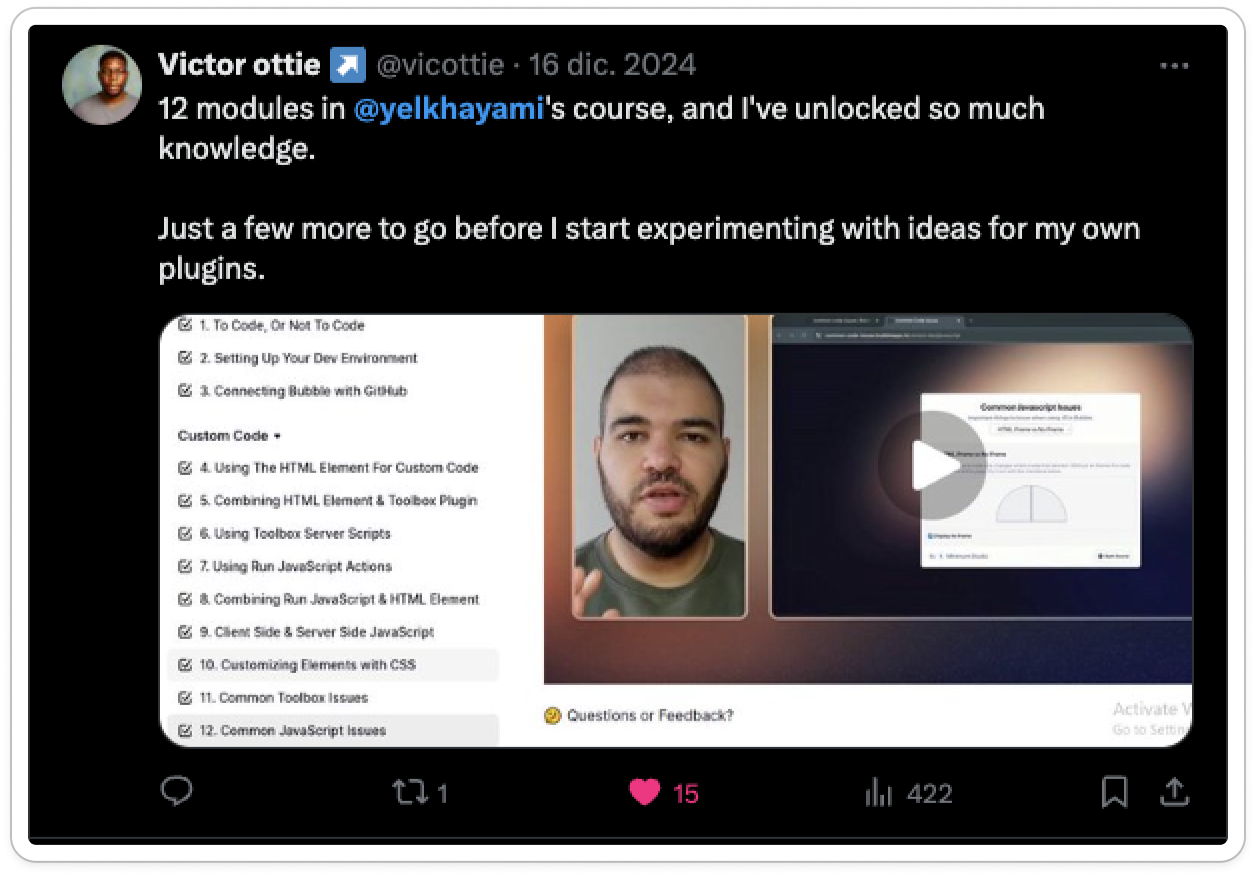
ApprenticeshipsIt’s a bit of a gamble to take on trainees - it can be tough to find projects that are both good for the agency and good for people who aren’t fully ready to take on their own projects yet. Luckily, most of our work is ongoing, so we were able to pair up trainees with seniors on clients we’ve been working with for a long time. This was a great way for them to work alongside senior team members on something complex and real. For clients, this meant we could give them extra capacity and offload some of the easier work, freeing up a senior’s time. This can be daunting for someone who’s new, but of all methods, I feel like this is probably the fastest way to get up to speed. I really hope we can keep doing this when we hire new people in the future. Becoming a ‘real company’For a few years, we’ve been working with only a handful of people, most of them ex-freelancers. That means that any structure or lack thereof was pretty much fine. People would point out issues & we would be able to solve most things on the spot. With this new wave of people, I feel like we’ve graduated from ‘the guys that also happen to pay me’ to ‘my employer’. It’s still hard for me to get used to, and some of the cracks in our systems started to show. It was the first time I felt like there were company politics, and at some point I had to sit down to create something among the lines of HR policies for the first time. Really glamorous stuff, but I guess it comes with growth. The plugin courseAfter a lot of blood, sweat & tears, Yous finally hit publish on our course for building Bubble plugins. People told us recording a course was super tough, and after seeing Yous struggle through it for months next to client work, I can confirm that that’s 100% true. The subject matter isn’t easy to put into a course - explaining code to non-coders is a tricky thing to take on and it’s very easy to stray from the main point. Yous did a great job of balancing the course material, as everyone who took the course so far has been super excited about what they learned. To be fair - revenue wise, we’re not super happy with it yet. That probably makes sense - it’s a niche subject for experienced devs and we suck at marketing, but we also feel like it might not be the best topic right now. We’re considering expanding the course into a broader ‘transitioning from Bubble to code’ course, teaching Bubble devs how to code with AI (If you’re reading this & you’re interested, let me know, helps us see if there’s some potential).
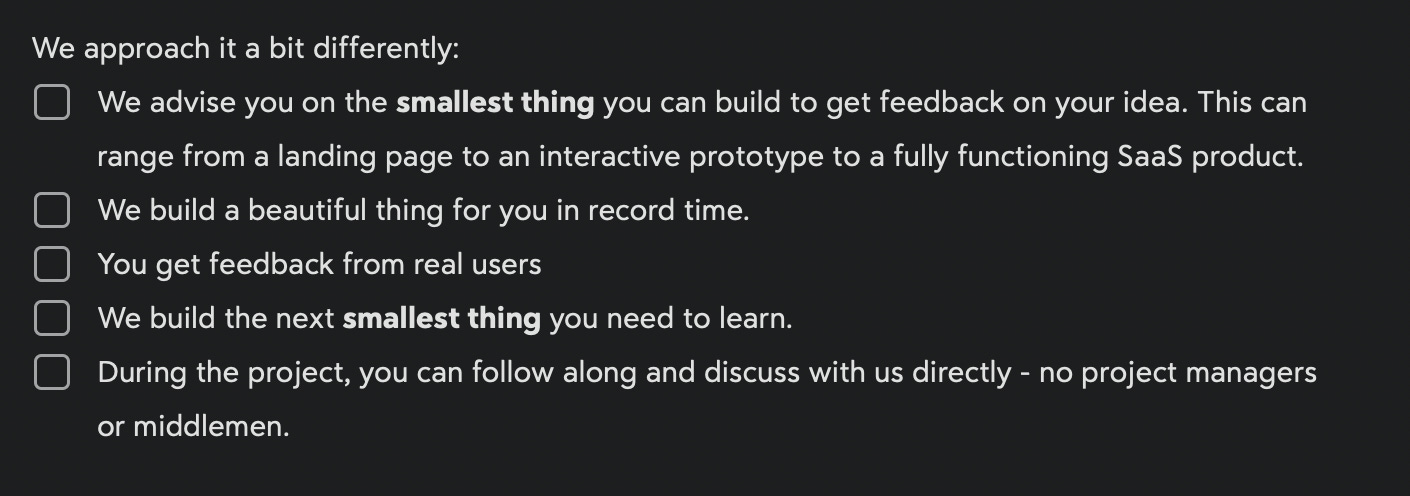
Coding with AITo be honest, I started the season really anxious about the whole AI thing. Our current business is not only dependent on the concept of low-code, but with the skills we’re teaching people, we’re also all-in on the Bubble platform. The only reason we’ve been using Bubble is because it’s been the fastest, most practical way to get started for startups. Once I saw people coding with AI, I realized that that’s probably more no-code than no-code ever was. If you can prompt, why would you even drag & drop? So I did the only thing that made sense - I started building stuff with AI. With every little thing I built, my anxiety shrank and my excitement grew. It felt like using Bubble for the first time. I’ve coded in the past, but I’ve always hit a wall and never really pushed through. Suddenly so many ideas that I wasn’t able to build before started coming back, and it was really, really addictive. This was on my mind when we went to Bubblecon in NYC. I was really hoping to see a strong vision for AI in Bubble. Prompting with a visual frontend could actually be a really unique way for them to stand out. I left mostly disappointed. Bubble seems to be convinced their audience consists casual users, while in reality the people using the platform well are programmers and designers. On a higher level, Bubble is one private company with proprietary tech, competing against the rest of the world building AI tools on open source frameworks. Even though coding with AI still has issues, I don’t think those will remain unsolved for long and it’ll be a better way to get things going. At this point I’m pretty convinced, although I’d love to be proven wrong on this one. Back to the futureWith all of this in mind, I feel like our current pitch as a studio won’t last. When the ‘low-code’ label loses its appeal, all thats’ left is just ‘product studio’ or ‘development agency’. Doesn’t sound all that interesting to me. I’m weirdly grateful for this, because it forces us to settle on the basics - what do we do, for who, and how do we do it? I found this note from late 2019, with my original pitch for Minimum, and I realized - this is still why people hire us:
We can do exactly the same thing now, just with better tools. Even though the world has caught up on no-code, it’s still hard to find developers who actually ship. What’s next?With all of this in mind, I want to spend the coming months on one question: If we would start the studio today, how would we do it? We’re going to revisit everything we do with what’s possible now with AI. In practice, that means:
Even though we’ve grown, we’re still a small team, so I think we can pull it off. The theme for this season is Zero to One. I’ll let you know how it went in April. Cheers, Mike and the Minimum team.
|