Studio Memo - Year 3, Season 2
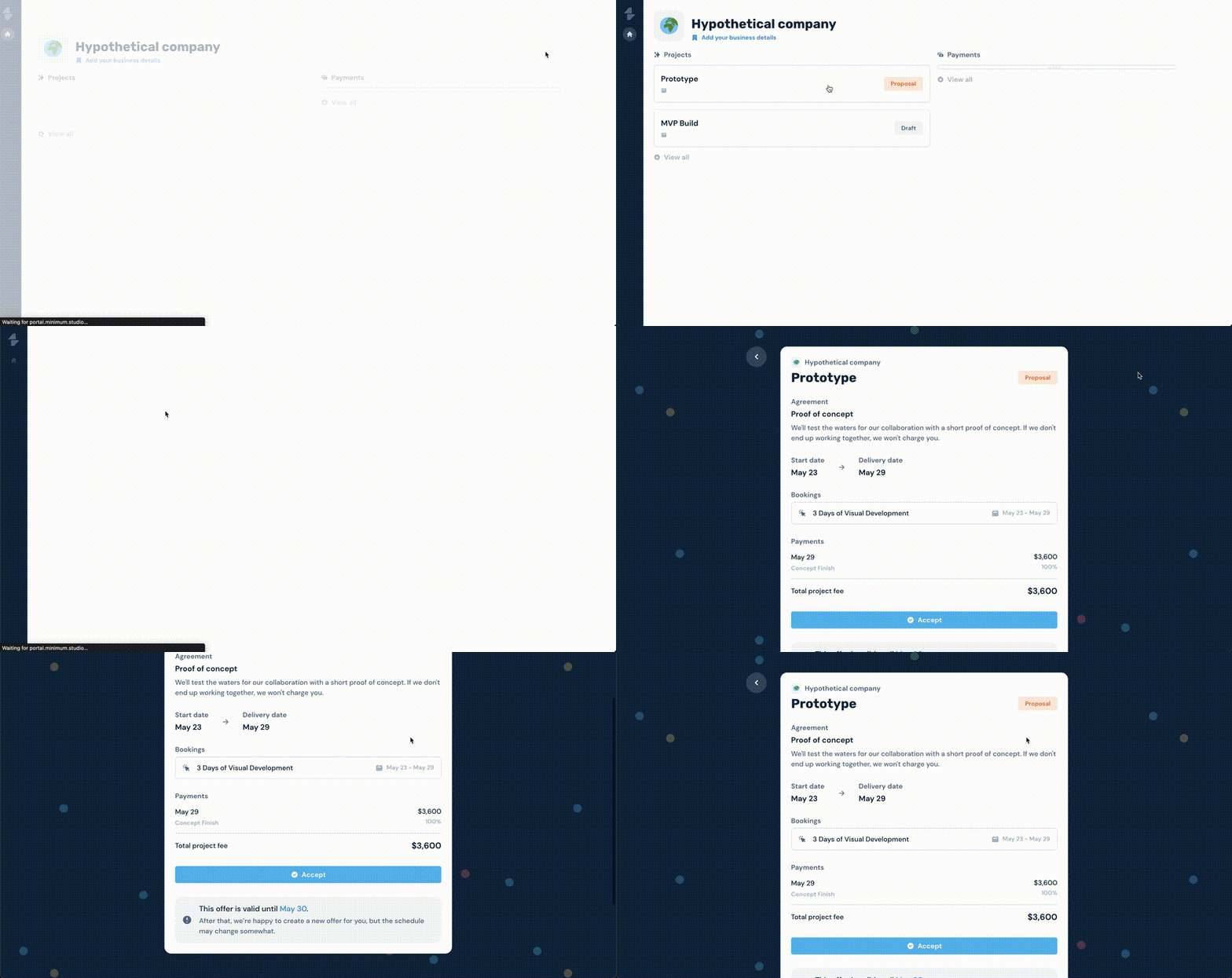
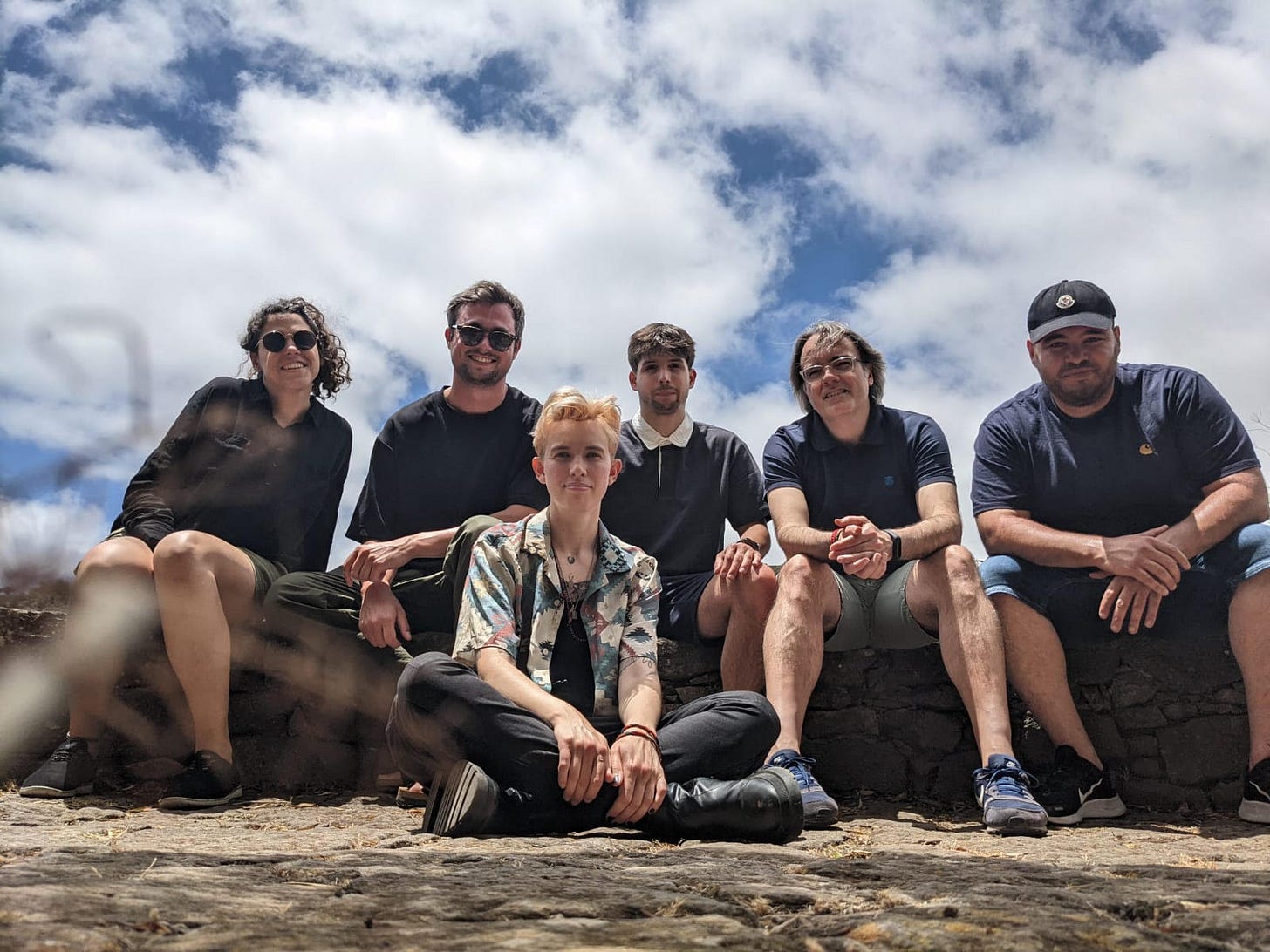
We've just gathered the team in Gran Canaria for a week to meet up, reflect, get feedback and collaborate on where we should be going next. We enjoy so many benefits as a fully remote team, but nothing beats the face to face feedback sessions, creative ideas and good conversations we can have this way. Combining it with a sunny place and some fun activities has been a good model for us this year. Our theme these last few months has been don't repeat ourselves. After growing from about 4 team members to 9, our scale grew so much that we were bogged down in many manual and wasteful tasks. We decided to 1. Apply more focus, 2. Build tools to automate processes, and 3. Delegate as much admin as we could. It has been a huge hill to climb, but an extremely satisfying process as we see our weeks clear up again. Some highlights from the past season: While growing the team, we've realised that it's hard to design processes for a ton of different kinds of projects, as well as educating the team on multiple different skillsets. We've taken a good look at our most successful projects and realised that we'll benefit a lot from focussing on the thing we do best; creating web-based software in Bubble, to help growing businesses streamline their processes and improve their customer experience. Need to work on a better pitch, but you get the gist. Unfortunately this meant we put a hard stop to our automation service focused on scrappy MVPs, but the pros outweigh the cons for now and it has introduced a lot of headspace. Creating + chasing invoices, payments, proposals and contracts manually has been a pain in the ass, and we have multiple people drafting and making proposals (Kas handles new clients, I handle return customers). We've built out legal docs and payment models for every type of project that we have and integrated this all into our Dealmaker; the first of a few internal products we're building. Clients have a simple page where they see proposals and upcoming payments - when they accept a new project (or a change to an existing one), they sign a contract, pay a deposit and get payment instructions in the same place. Clients love it and so do we and it's a great building block for more tools.
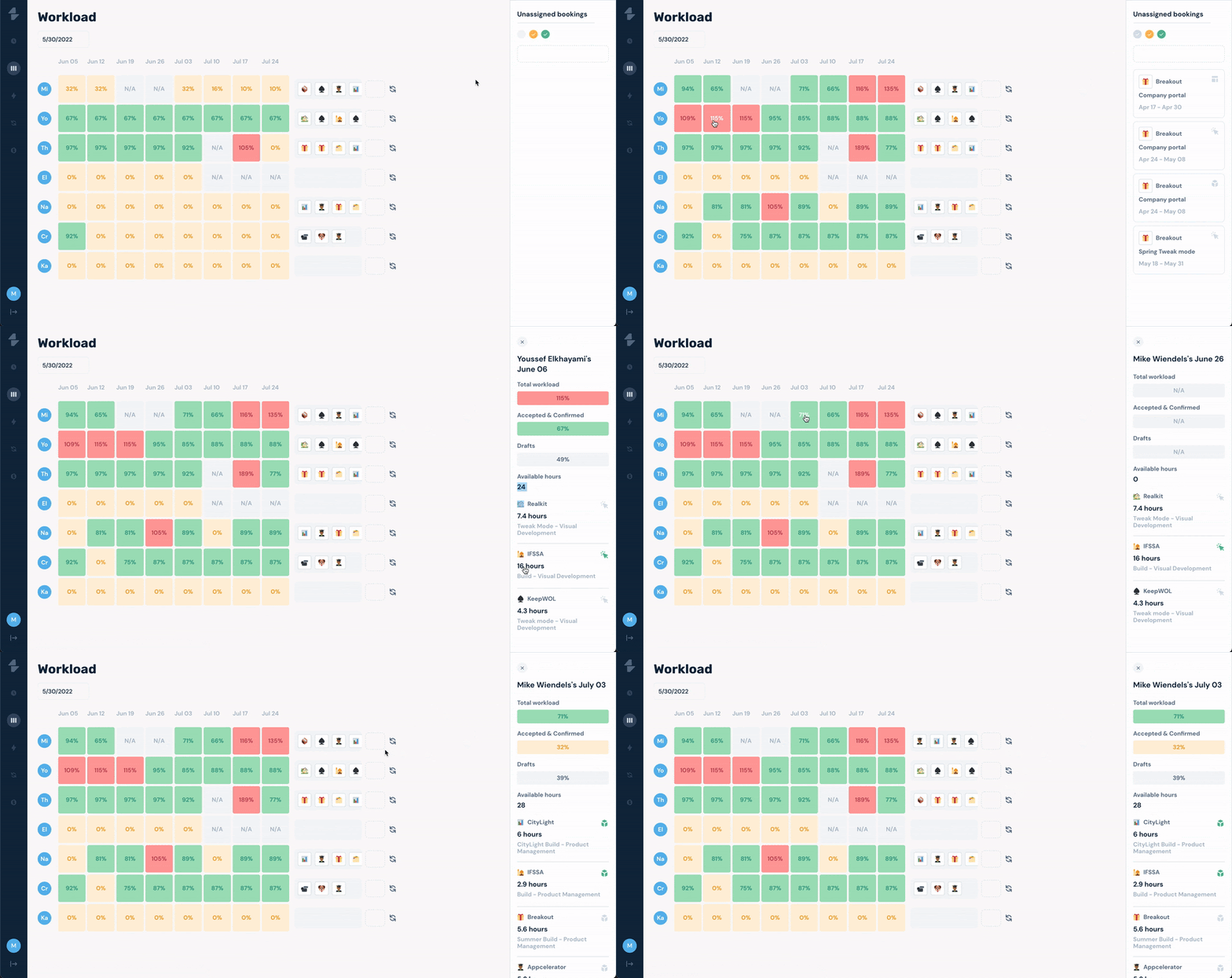
Studio OS: Managing true workload with the Planner We've had lots of issues around planning because A. people in our team are freelance and don't have full-time availability and B. when we do project work internally, we can't spend the full week on it as we juggle multiple responsibilities. Another common agency problem is planning for projects that might happen but aren't fully confirmed yet, simulating multiple scenarios that could fill up our time. Because we have more data about confirmed bookings from the dealmaker, we were able to build a time tracker and a workload calculator, taking everyone's true availability, possible upcoming projects and project progress into account to calculate weekly workload. Now we're able to draft up our planning, move end dates around to see if we are overloading people, or if our utilization rates are too low. Saves us a ton of time and headache.
Testing and PM processes We've set up a Product Manager role on projects which I'm taking up now and it has improved our process a lot. To get a more consistent quality, we've also outlined a way for a QA tester to be involved in every project to thoroughly test all our launches, across browsers and screen sizes, with a checklist we'll be iterating on to ensure good quality. We've started hiring a QA tester to test client projects, plugins and internal tools, freeing up more space for the team to be creative & build. Getting a bigger team together and stepping out of most billable work also meant I needed to really dive down into our finances as there's more complexity there. Educated myself on how this works on the agency side and discovered that cash flow and measuring billable % / utilization rate are the most important things for us to track. Developed a few financial reports and habits that allow us to be 100% on top of this - we started hiring an assistant to help us track these things and make sure we're diligent here. Not the most fun aspect but definitely the most important one. Of course, you're receiving this message because we've put together a small group of Studio Partners. This has been a great experiment and it's been a good way for us to grow while giving something back to people supporting us with new leads. We're excited about going a bit deeper with this model (more benefits for Partners), but also wider to see whether partnerships are a good way to grow in general. Our theme for this season is called The Craft. The biggest trend we feel right now is that we are over-efficient. We've hired a bunch of smart people, but we're so optimized for individual, deep work, that we hardly get to collaborate and learn from each other. We've had people getting stuck on projects on subjects that others are experts on, and great ideas skipped because we don't have moments to share them with each other.
The biggest question we have is: How are we going to organically spread our knowledge in a remote organization? Mike & the team at Minimum
|