Studio memo - Year 5, season 1
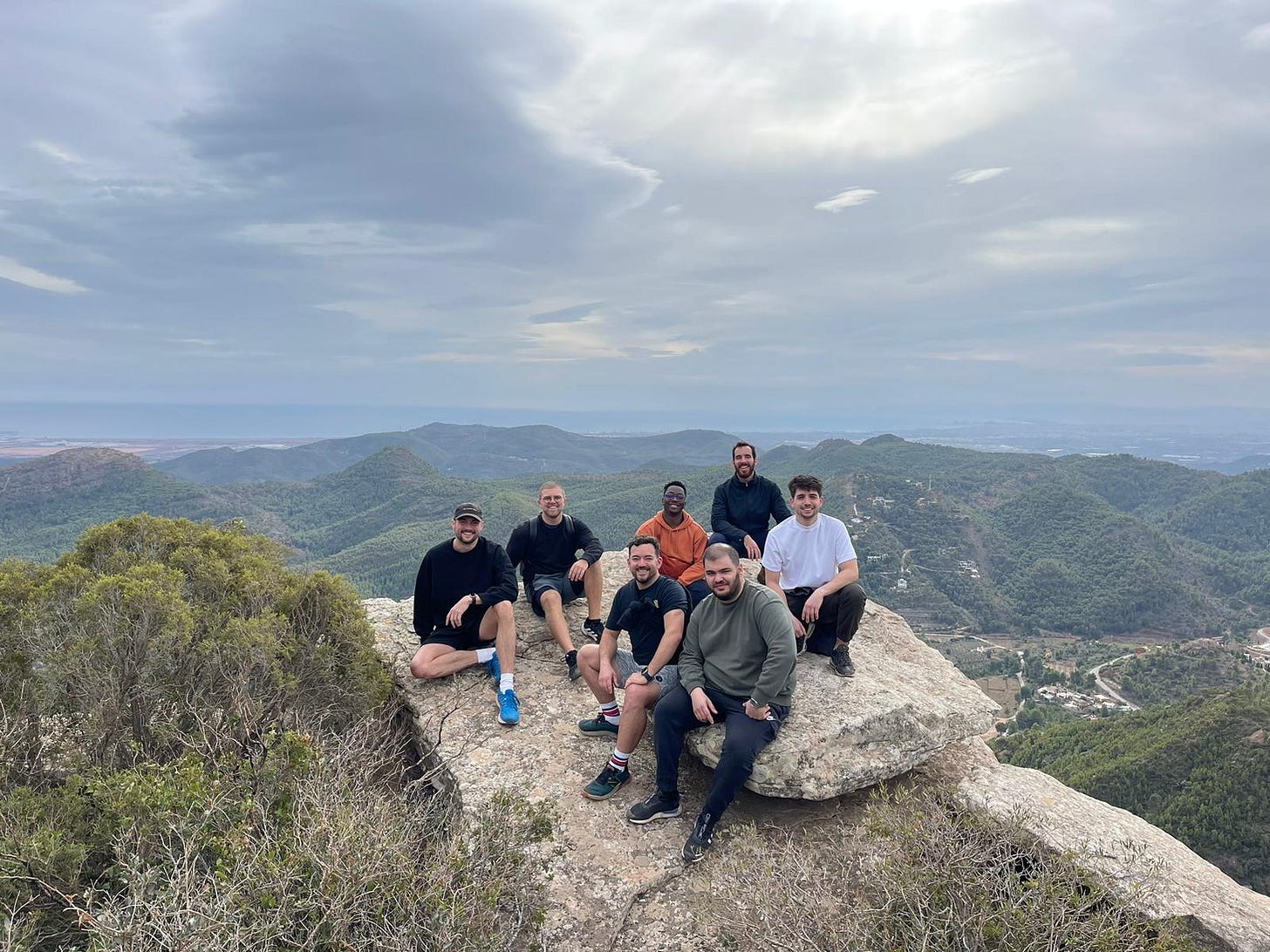
Writing this from beautiful Valencia 🇪🇸 where we’ve just met up with the team for another one of our retreats. Almost everyone decided to stay an extra week, which I’ll interpret as a sign of a good culture taking shape. Our theme for this past season was The Operating System. After we’d nailed down our principles across different aspects of our work (all based on our cultural principles), we had to spend some time on actually integrating them in one system. Two of our principles in particular influenced the system a lot: Everyone is a creative, everyone’s a manager - No project managers, everyone has direct contact with clients and is accountable for their own work. Systemize the obvious - Managing yourself isn’t easy, so we want to make it as easy as possible for people to do the right thing.
Other factors also played a role:
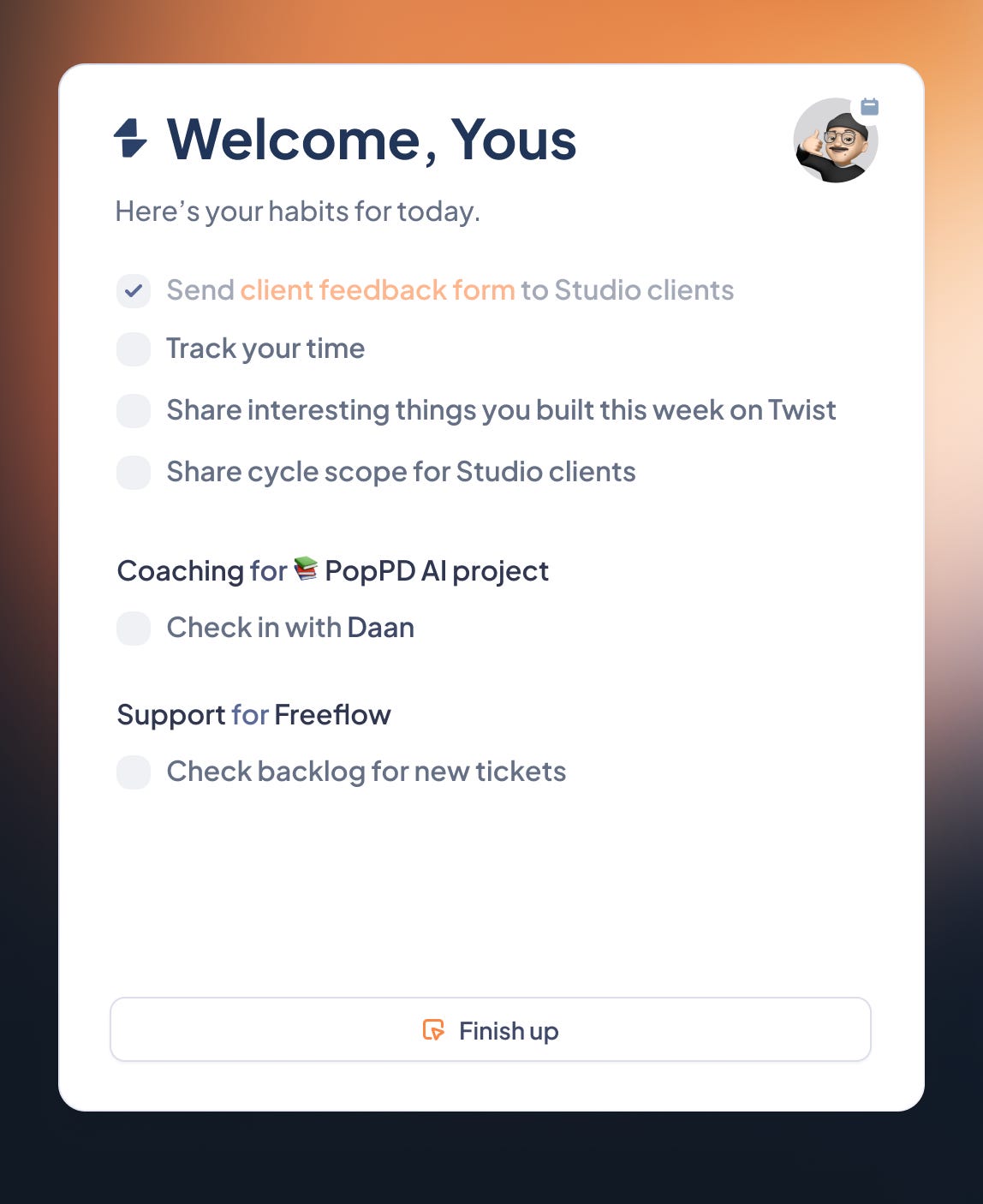
HabitsThe most obvious route to more accountability and clarity is to introduce some form of micro-management and hierarchical reporting structure. That’s something we wanted to avoid as it would ruin our culture of high trust and autonomy. Instead, we came up with the concept of a public habit tracker for the entire team. Based on your responsibilities, every day you’d check in and see habits to mark off that help you take responsibility.
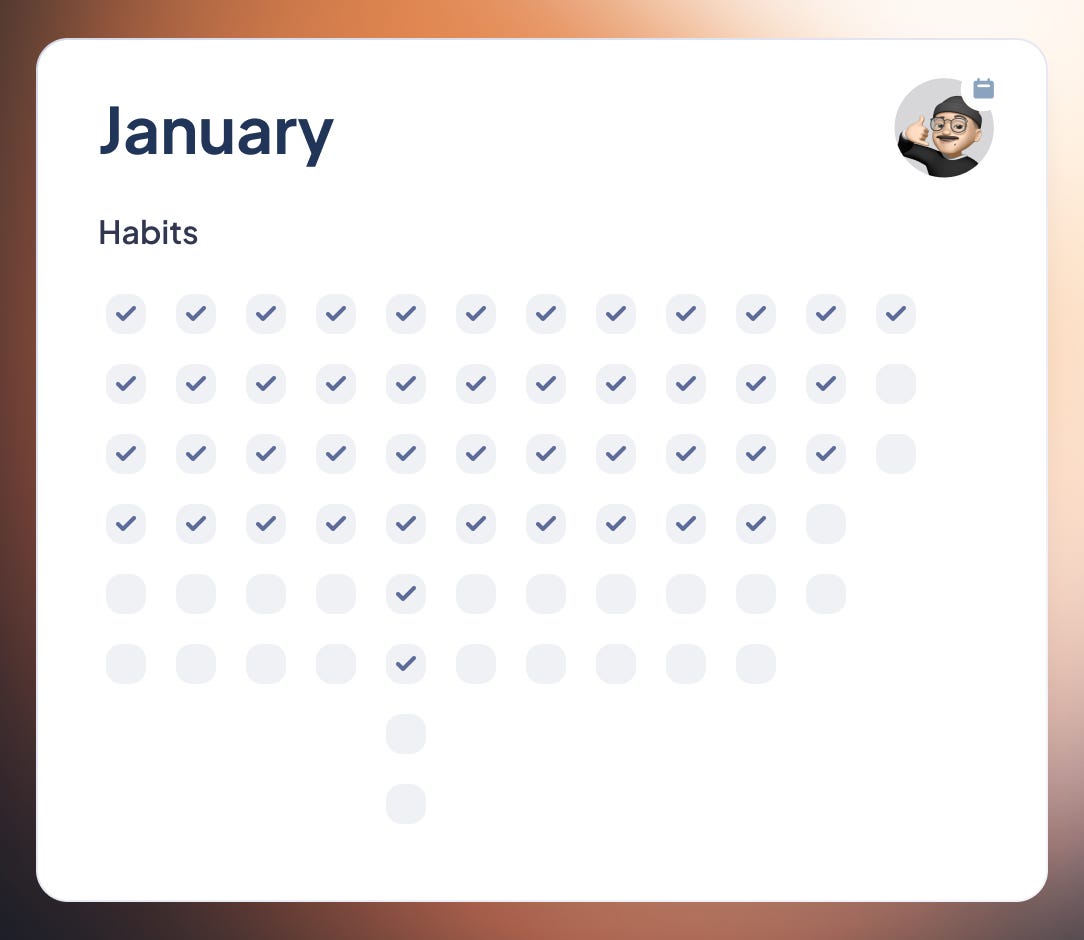
My initial design exploration for the system. These habits expire if you don’t do them on time. Everyone on the team can see your progress and how consistent you’ve been:
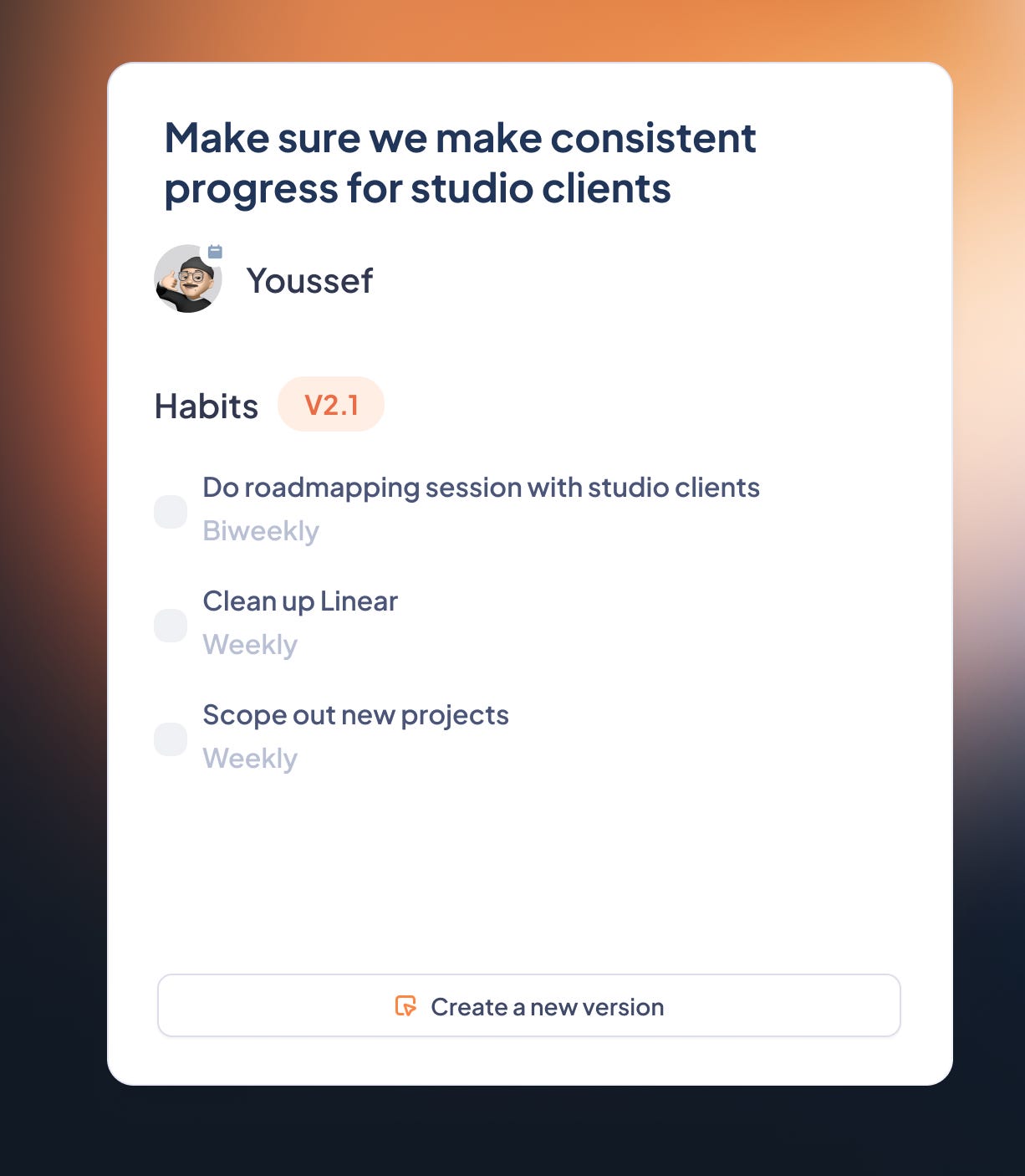
When you’re unsure whether the habits are the right ones, you can just edit your own habits and publish a new version. It’s not about us forcing a set of tasks onto someone, it’s just about people being accountable for the things they say they’re going to do.
That should give people the freedom and agency to improve their own process without asking for permission, but it also provides an incentive to show up consistently. That level of clarity was the goal we had in mind. To reach it, we needed to set up the wider framework first:
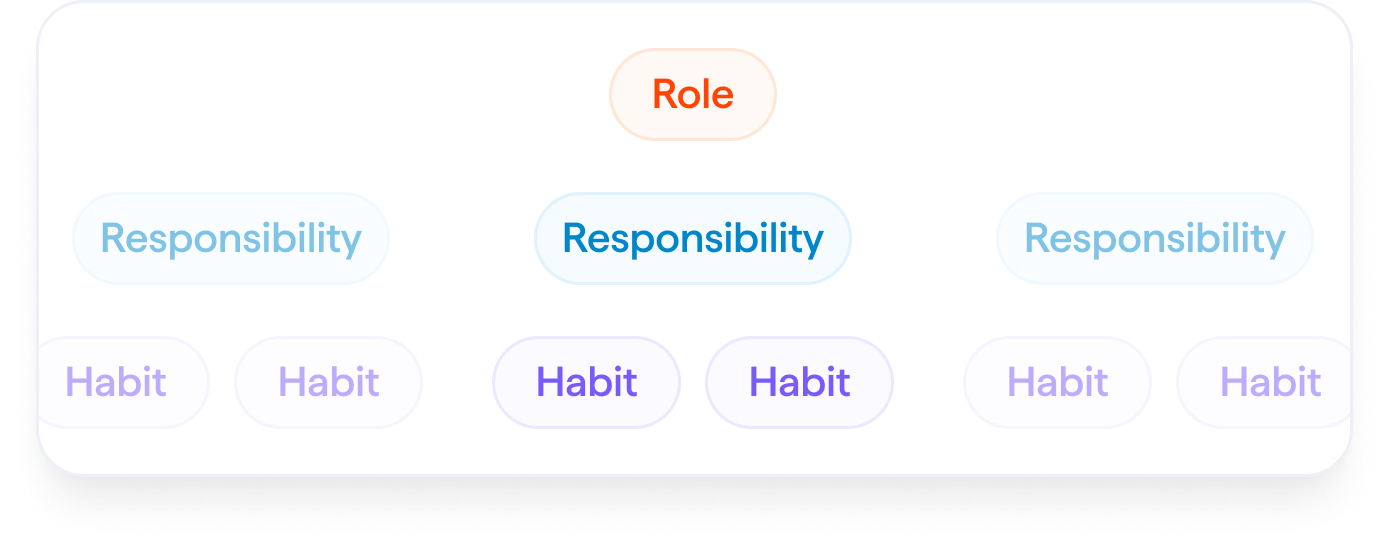
The frameworkOn a higher level, we set up Roles, Responsibilities and Habits. Roles are not job titles - one person can have multiple roles, and multiple people can have the same role. They are simply a way to group responsibilities together. Here’s how they relate:
When I assign a role to someone, two important things happen:
Next up was defining the roles and responsibilities. What needs to happen exactly?We went down a rabbit hole of writing down everything that should happen to run the business well. If you think doing that hurts your brain, I can tell you, it does. It’s a ton of work, but we found it to be a really great exercise. We created this Notion doc called The Machine and started with the Meta responsibilities - everything that happens outside of client work. Even tweaking the machine is a responsibility. The most useful part of this was defining the roles - finding good ways to group certain responsibilities and figuring out where the handover is from one role to another. After nailing those down, we did the same for our four services which also brought up a ton of good discussions about who does what: This also allowed us to figure out the no project managers rule.
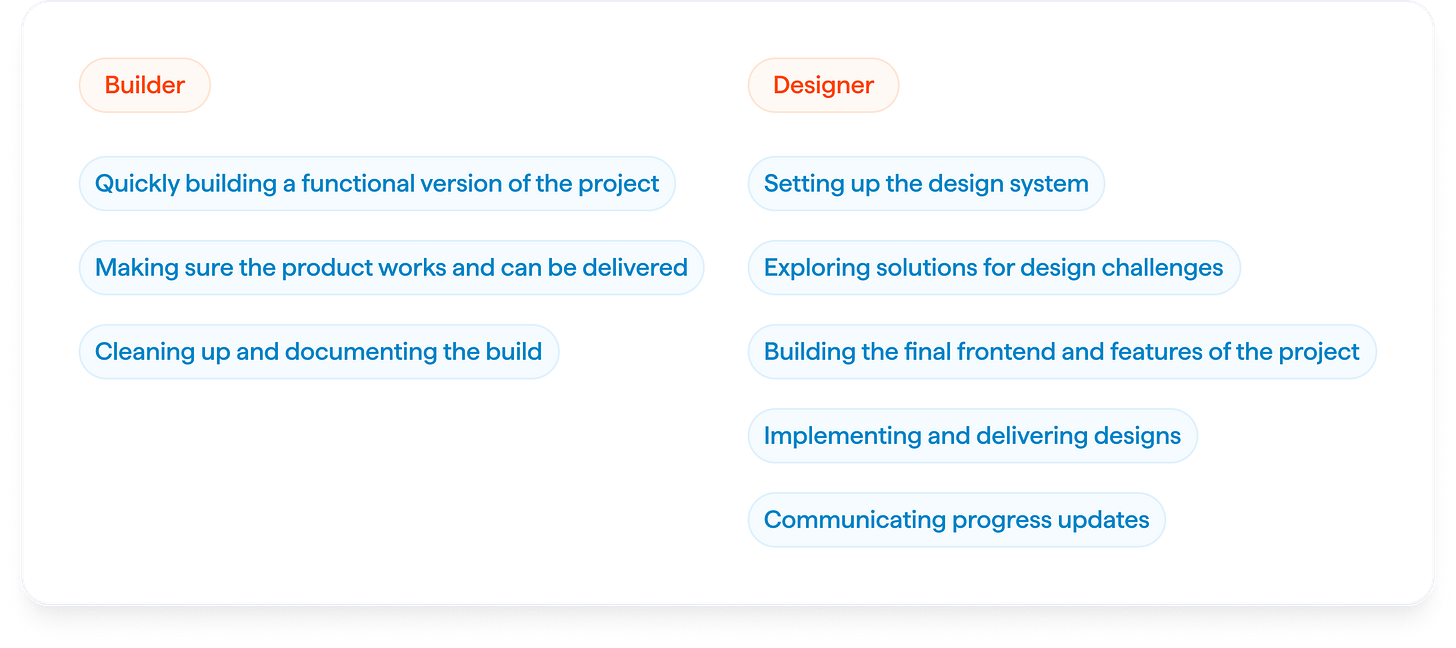
2-person teamsLast season we merged the designer and frontend dev role, so we felt good about settling on 2 person project teams. Both team members have technical skills, but one person worries about the user experience, the other worries about technical stability. So the basis of a project has two people:
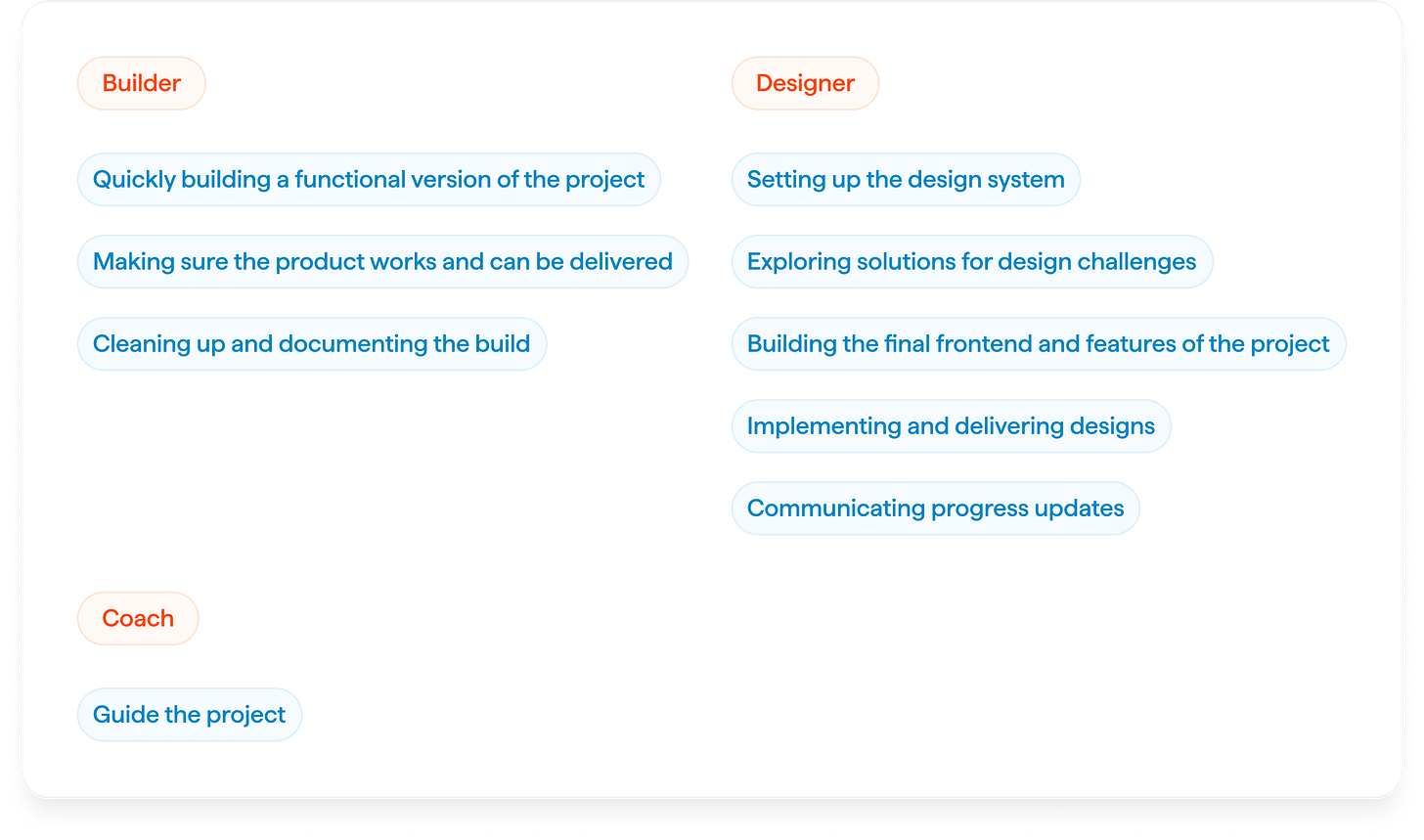
This team might be working on something they don’t have a ton of experience with. In order to make the most out of the studio, a senior builder is assigned as a Coach - this is not a manager, but just someone to dedicate some time to help solve complex problems.
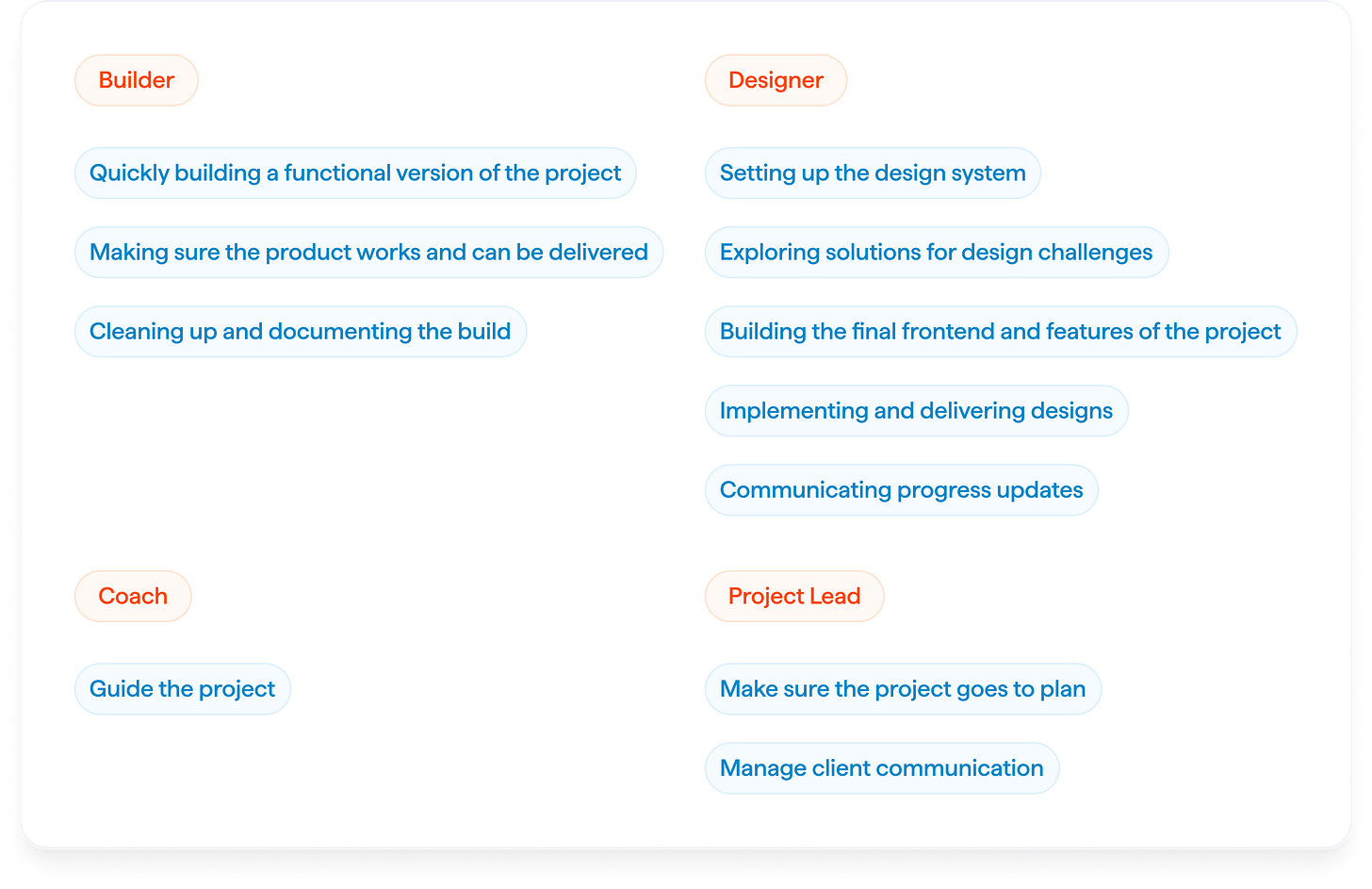
Now all that’s left to figure out is who is responsible for the project going to plan. For that, there’s the Project Lead role:
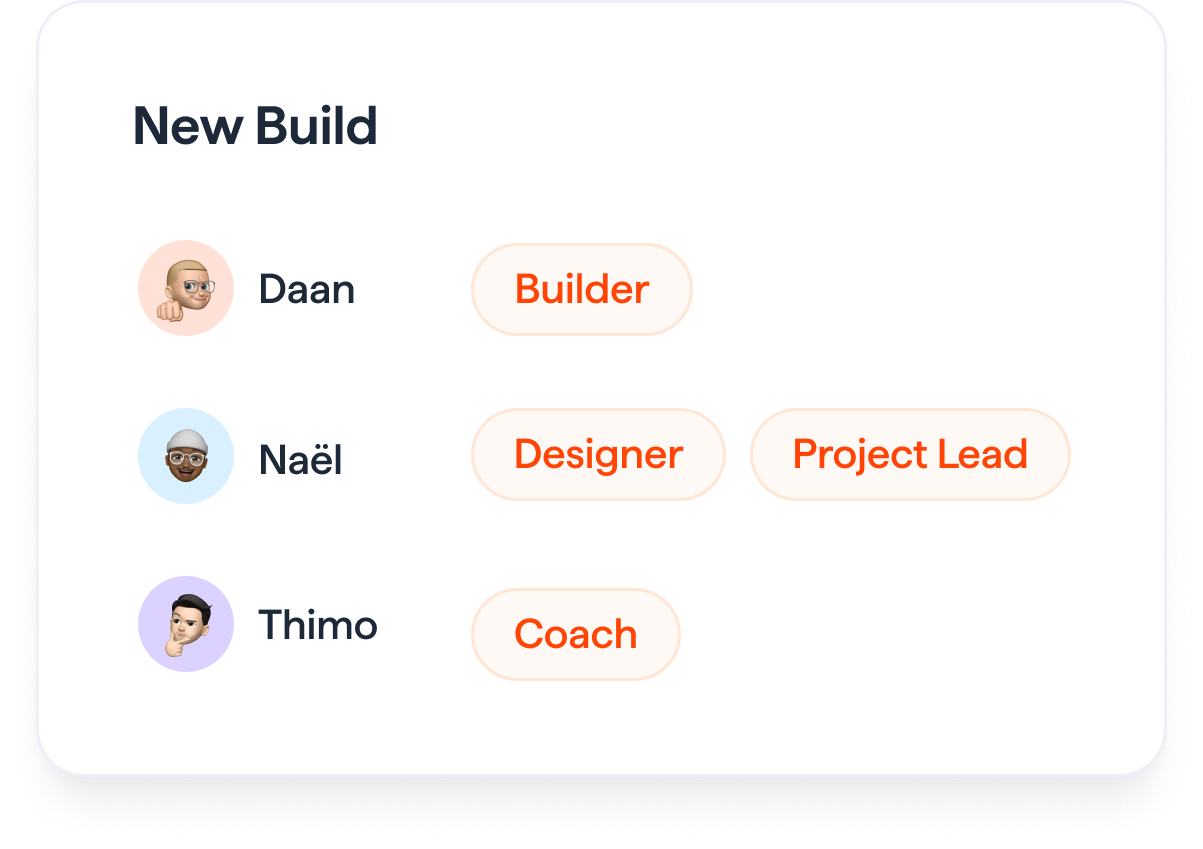
We simply assign the Project Lead role as an additional role for either the Designer or Builder for this project.
As we were defining these roles, we built the product to use it all in practice.
The ugly version MVPWe always build new products with an ugly version - a build that’s completely functional, but has not been thought about at all in terms of design. It allows us to prototype, move fast and mess around as we figure things out.
We started using the system a few weeks ago and it has already been a huge help for us to stay consistent. The accountability part really works both ways - I feel a lot more accountable to the team to do my habits diligently. It was hard to catch up at first, but we really have our shit together now.
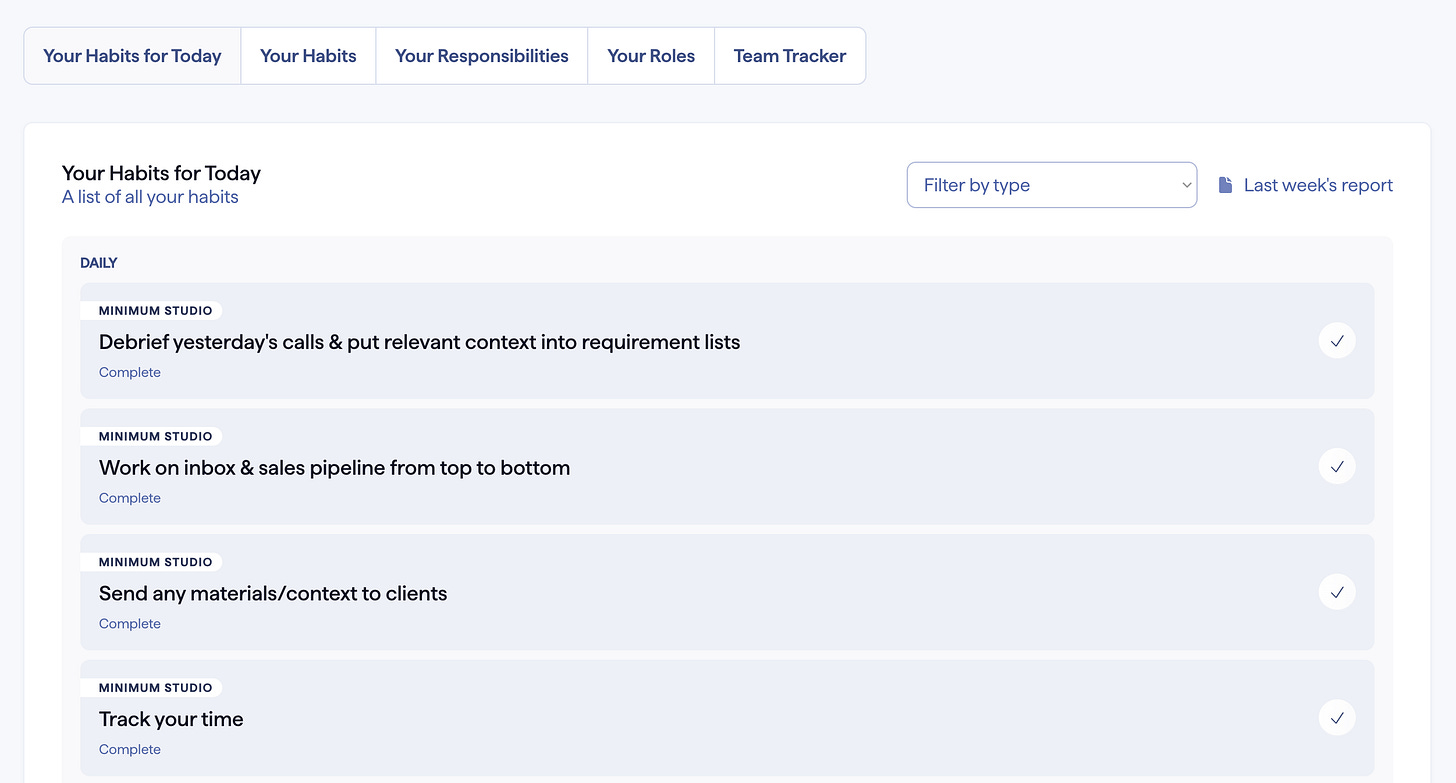
For example, my daily sales habits help me be more responsive to new leads;
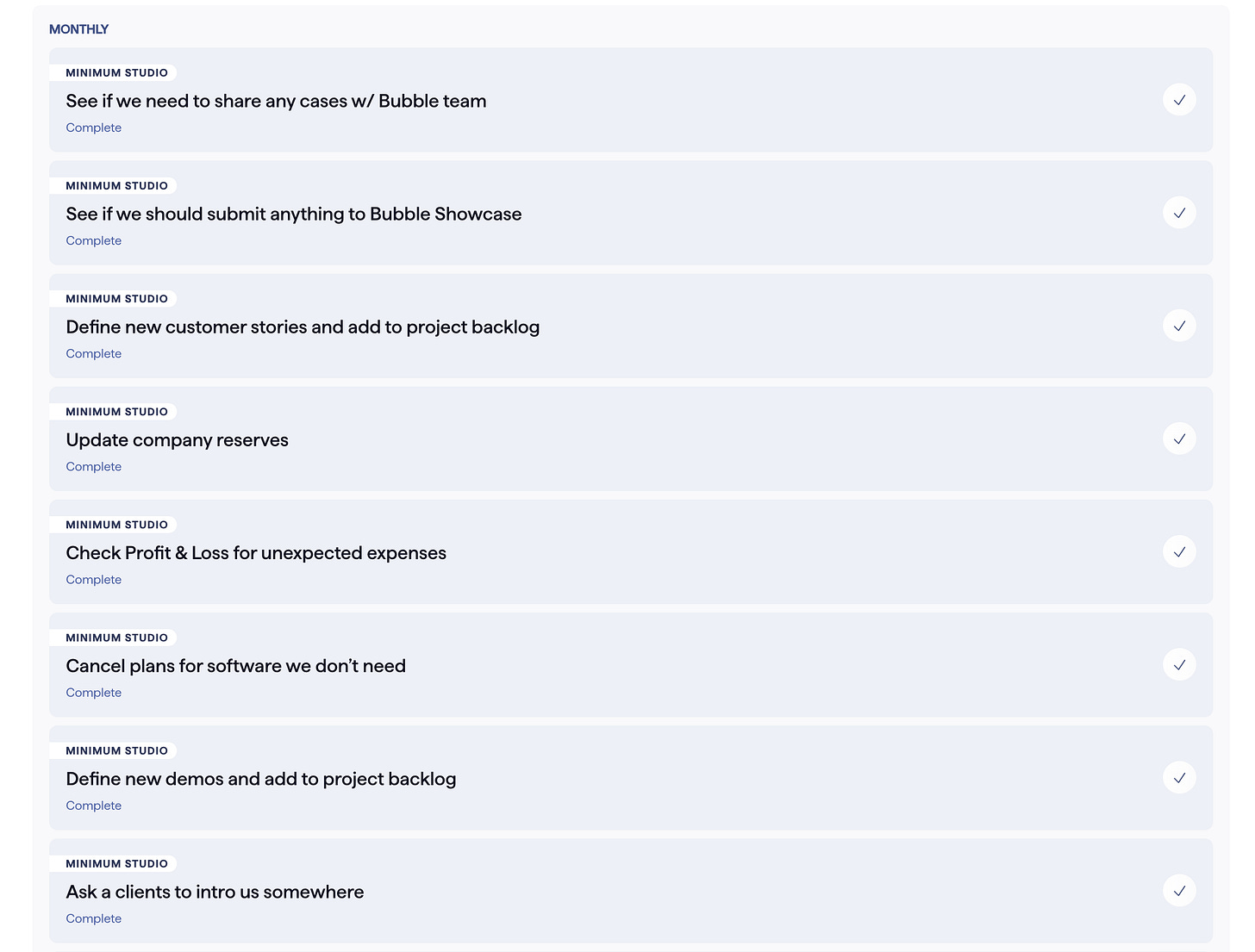
My monthly habits help me do those ‘we should really do these more often’ tasks for marketing, finance and sales:
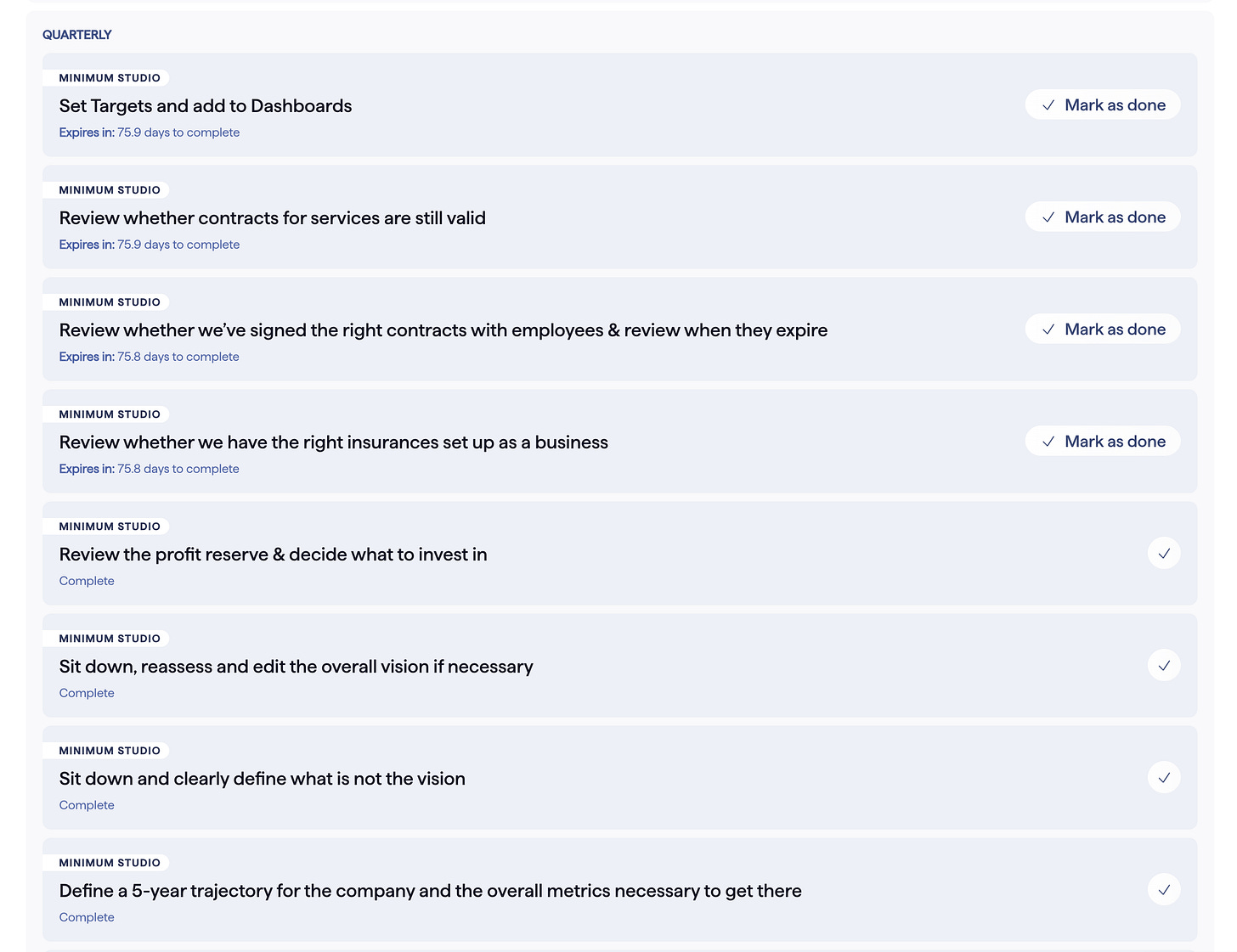
And my quarterly habits force me to do a good job at strategy and big-picture work (you can see the most fun ones are still pending):
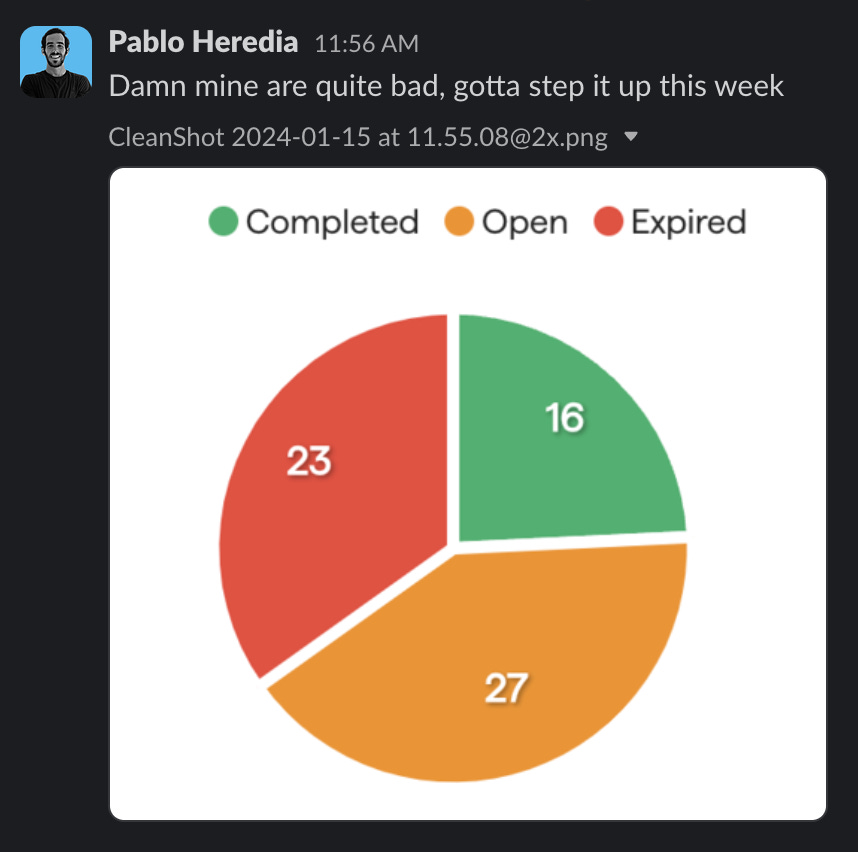
The resultThe whole team started using it last week, and we post our habit progress in our weekly update on Slack:
Pablo’s comment made me smile - this kind of self-correcting feedback loop is exactly what the system is meant for. Even the boring aspects of my job get done because I’m on the hook for it. I guess I played myself in the end.
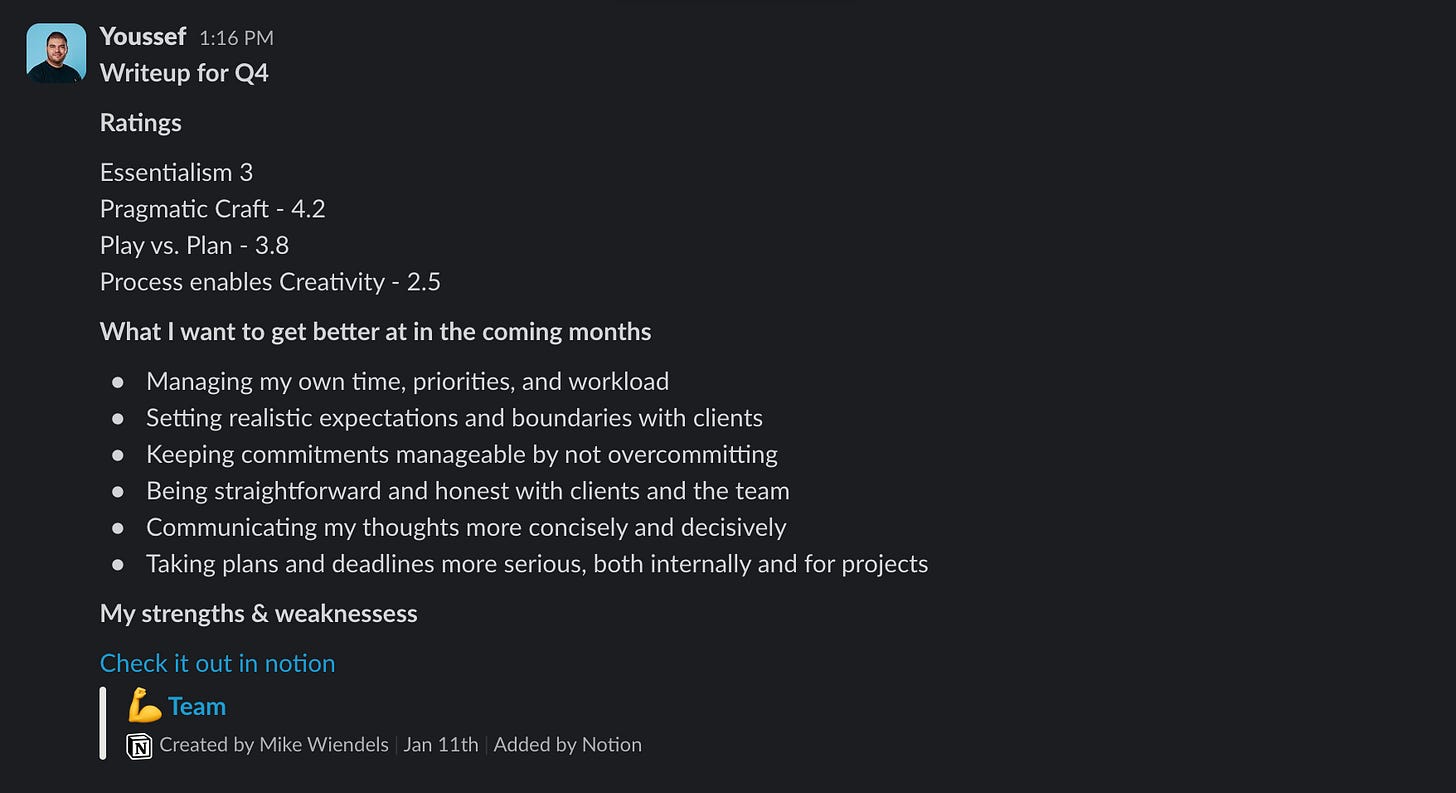
Keeping the principles aliveEven though we did write down our principles last season, it’s been pretty hard to keep them top of mind. We decided to incorporate them in our feedback sessions - rating each other on each core principle. Doing this a few times every year should create more awareness for them and make us think about them deeply.
The first iteration led to a lot of interesting conversations. We end the feedback with a writeup we send to the rest of the team about what we want to improve the upcoming months:
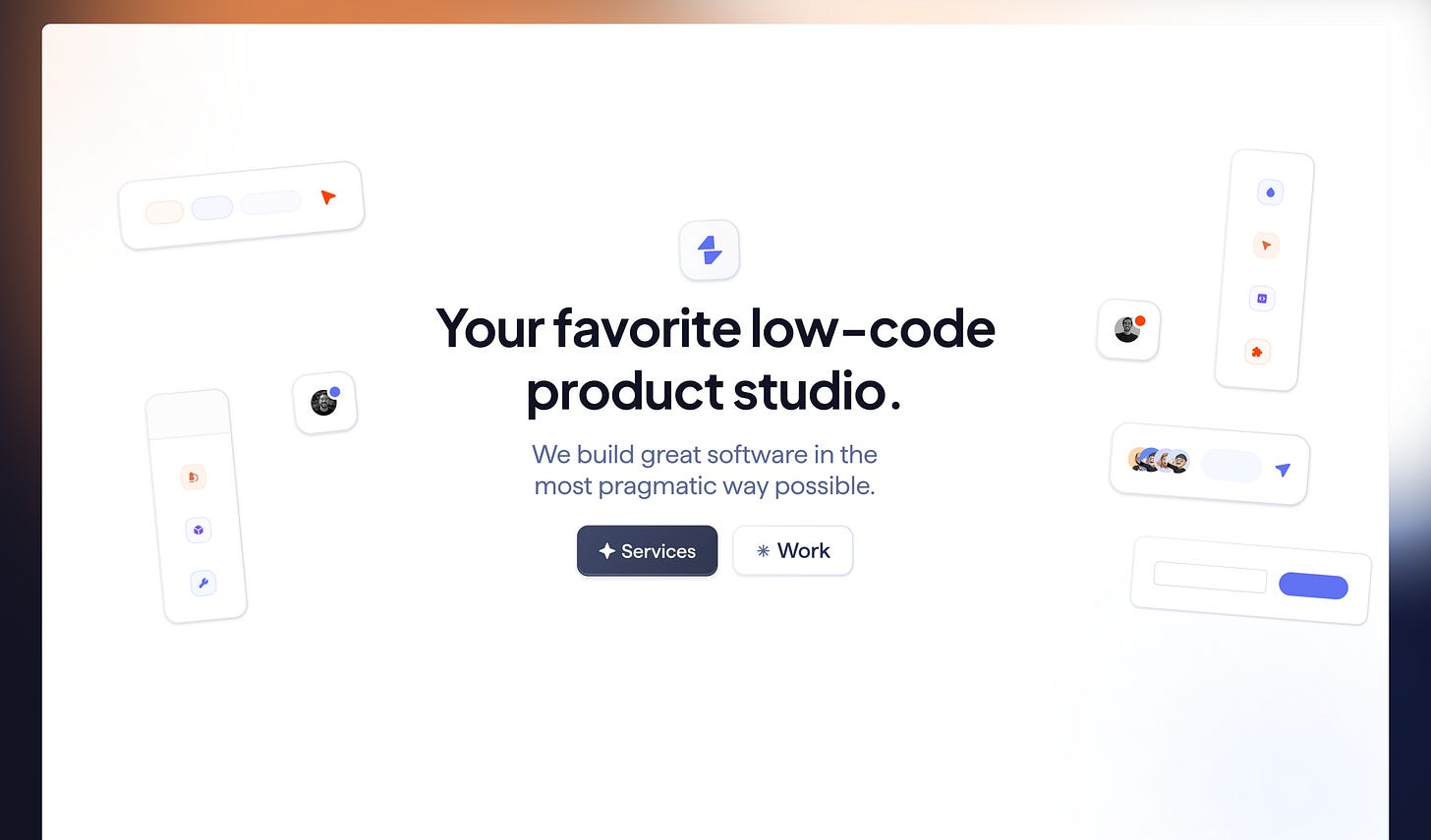
New website & brandWe designed and built large chunk of our new brand & website which will go live in the coming weeks. Very long overdue and a lot more aligned with what we’re doing now. Can’t wait to share it!
What’s next?I’m really happy with how solid our foundation feels with these systems in place and much more confident that we can grow the company while keeping our quality bar high. We have only just started to use the habits and being more focused on reporting has shown us very clearly that we have a lot to gain when it comes to both profitability and marketing the studio. Our biggest question now is - how do we know if these habits lead to the results we want? In order to answer that, we’re going to focus on goals. We want everyone to become more aware about metrics to find issues that block us. With those in mind, we can adjust our habits to solve the issues in a sustainable way. This season’s theme is The Feedback Loop. I’ll let you know how it went.
Cheers, Mike and the Minimum team
|